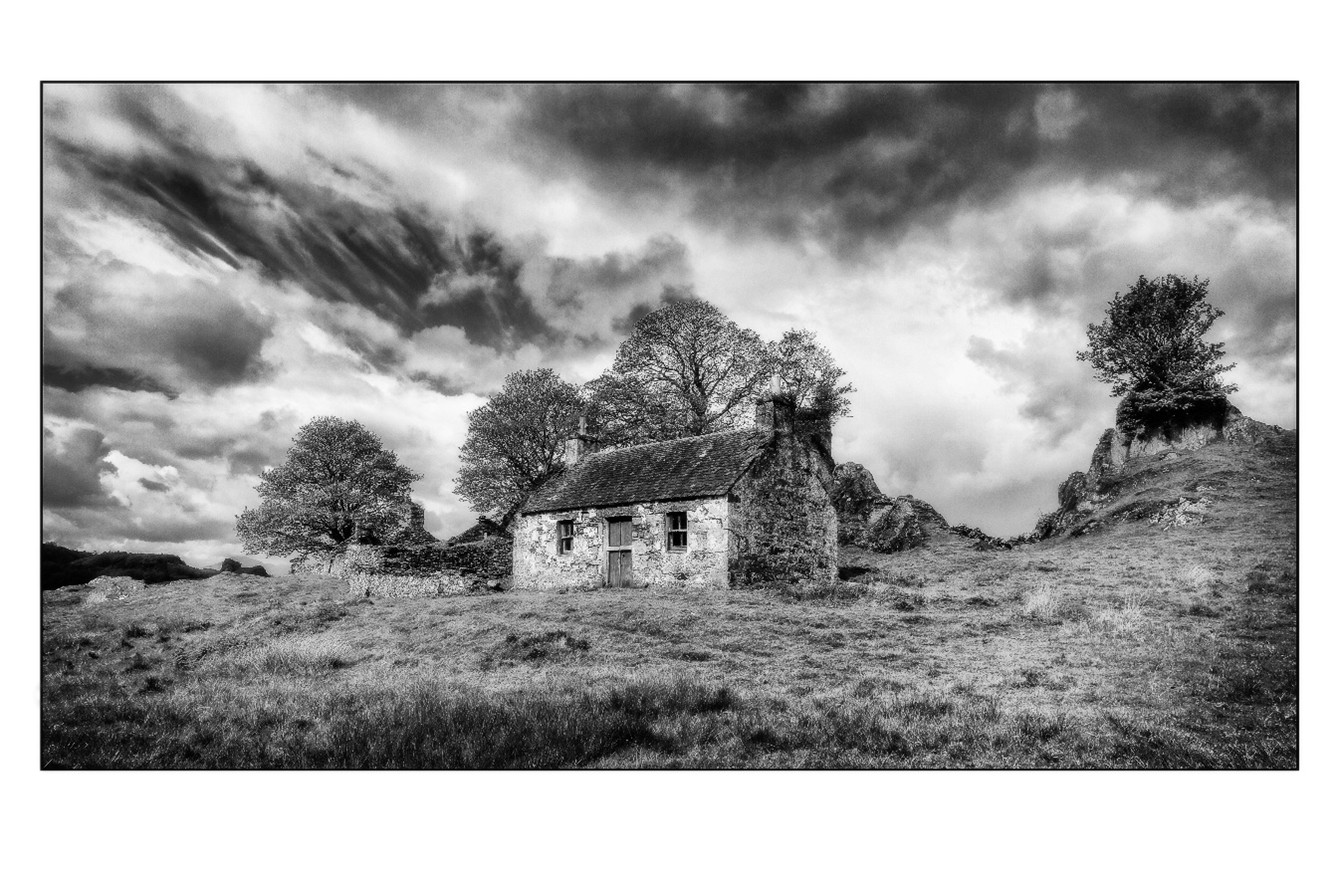
MIG: The Sands of Time
In photography, “Sands of Time” becomes a visual metaphor — a way of expressing how moments erode, fade, or slip away: impermanence, decay, emotional residue, and the quiet tension between what remains and what vanishes.
Images that evoke the slow, inevitable passage of time — not through clocks or calendars, but through textures, light, and subject matter that show time’s imprint.
Key photographic interpretations
- Weathering and decay Rust, peeling paint, eroded stone, abandoned structures — surfaces that show time’s touch.
- Natural processes Shifting dunes, wind‑scoured landscapes, tidal marks, sediment layers — nature as a slow sculptor.
- Ephemeral moments Mist lifting, waves retreating, shadows moving, fleeting expressions — moments that exist for seconds.
- Memory and nostalgia soft focus, muted tones, monochrome palettes, film grain — techniques that evoke the past.
- Human traces Footprints, worn paths, graffiti fading, objects left behind — evidence of people who are no longer present.
📷 How you could use the metaphor
- Visual texture as time
Cracked earth, weathered wood, oxidised metal — these aren’t just surfaces; they’re records. Each mark is a grain of sand.
- Light as a temporal force
Long shadows, golden-hour warmth, low winter sun — light that feels like the end of a day or the end of a season.
- Composition that implies transience
Empty spaces, negative space, solitary subjects, receding lines — compositions that feel like something has already passed.
- Slow shutter speeds
Blurred water, drifting clouds, ghosted figures — literal visualisation of time flowing.
5. Symbolic objects
Hourglasses, old books, worn shoes, clocks — but used sparingly, because metaphor is stronger when implied rather than stated.
Some ideas are shown below. Images should be submitted by 3 November please. See HERE for instructions on how to upload images.